The Enduring Legacy of Meatloaf: From Ancient Delicacy to Modern Comfort
Meatloaf, that quintessential comfort food, evokes images of warm, home-cooked meals, often accompanied by mashed potatoes and a savory gravy. But beneath its humble, familiar exterior lies a surprisingly rich and extensive history, stretching back millennia. Far from being merely a mid-century American invention, this versatile dish—a savory blend of ground meat, binders, seasonings, shaped into a loaf and baked—has roots that plunge deep into the culinary practices of ancient civilizations, evolving through various cultures and adapting to changing palates and economic needs. It's a testament to human ingenuity in making the most of available ingredients, creating a satisfying and adaptable meal that transcends time and borders.
Ancient Roots: The Genesis of Ground Meat Dishes
The concept of combining minced meat with other ingredients to create a more substantial and palatable dish is far from new. Our journey into the history of meatloaf begins not in a bustling American kitchen, but in the sophisticated culinary landscape of ancient Rome. As early as the 1st century AD, Roman chefs were experimenting with preparations that bear a striking resemblance to what we now recognize as meatloaf. Recipes found in the famous cookbook *De Re Coquinaria*, also known as *Apicius*, detail mixtures of finely minced meat, often combined with soaked bread, wine, fragrant spices, and even pine nuts. These ingredients were then typically formed into patties or loaves, demonstrating an early understanding of how binders and seasonings could transform simple ground meat into something more refined and flavorful.
These ancient Roman preparations, though perhaps more delicate and spiced than their modern counterparts, laid the groundwork for future European variations. They showcased the economic wisdom of extending meat and creating a dish that could feed more people, while also elevating its taste through careful seasoning—a principle that remains central to meatloaf's appeal today.
Evolution Across Continents: From European Pâtés to American Adaptation
As centuries unfolded, the Roman legacy influenced a myriad of European culinary traditions. Across the continent, different cultures developed their own versions of ground meat dishes. French cuisine, for instance, gave us the elegant *pâté en terrine*, a sophisticated dish of finely ground and seasoned meats, often combined with liver, that is baked in a ceramic or earthenware mold (a terrine) and served cold. While distinct in flavor and serving style, these pâtés undeniably contributed to the evolution of the loaf shape and the technique of baking a cohesive meat mixture, influencing the structure of what would become
Secrets to a Moist & Flavorful Meatloaf: Essential Cooking Tips.
The meatloaf we recognize today truly began to take shape with European migration to the New World. In the United States, the 18th century saw the emergence of meatloaf among Pennsylvania Dutch settlers. These resourceful communities, known for their thrifty culinary practices, adapted dishes like scrapple—a mixture of pork scraps and cornmeal—into a baked, loaf-like form. This early American rendition was still somewhat rudimentary, but it marked a significant step toward its eventual widespread popularity.
However, it wasn't until the late 19th century that meatloaf truly began its ascent to culinary stardom. The invention of affordable and efficient meat grinders revolutionized home cooking, simplifying the once arduous task of mincing meat. This technological advancement made ground meat readily accessible and significantly easier to prepare, transforming meatloaf from a niche dish into a potential staple for the average household. The ability to quickly and economically transform various cuts of meat into a cohesive, versatile base was a game-changer.
The American Icon: Meatloaf During Hardship and Beyond
The real heyday of meatloaf in America arrived during periods of national hardship: the Great Depression and World War II. During these challenging times, meat rationing and economic necessity pushed resourceful home cooks to make every ingredient count. Meatloaf, by its very nature, proved to be an ingenious solution. It was a budget-friendly meal that could effectively stretch limited protein resources, combining ground meat with inexpensive binders like breadcrumbs, eggs, and onions to create a filling and nutritious meal for the entire family. Its ability to provide a substantial, satisfying meal from often humble ingredients solidified its reputation as an iconic American comfort food.
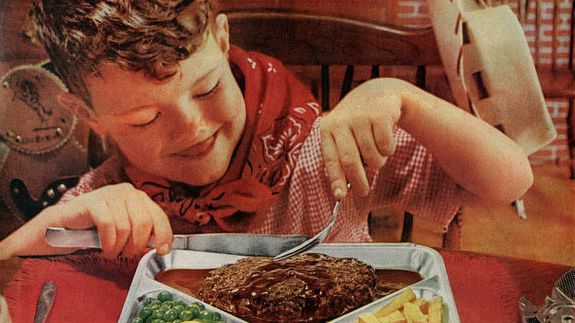
Traditionally, this mid-20th-century staple was often served with a tangy, ketchup-based glaze, which not only added a burst of flavor but also created a beautiful, caramelized crust. Paired with creamy mashed potatoes and a generous ladle of gravy, it became synonymous with family dining traditions, symbolizing resourcefulness, warmth, and the comforting taste of home. The tender, moist interior, contrasting with the often crusty, caramelized exterior, provided a textural and flavor experience that was both hearty and deeply satisfying.
In fact, meatloaf's importance became so embedded in the American culinary consciousness that it earned its own regulatory definition. According to U.S. standards, meatloaf is defined as a "cooked meat food product in loaf form prepared from comminuted meat." This specific classification distinguishes it from similar preparations like meatballs or patties, emphasizing its cohesive, molded structure rather than loose or individually formed items. This distinction highlights the dish's unique character as a substantial, sliceable main course, much like a savory bread.
Modern Meatloaf: Innovation and Global Adaptations
While its historical journey is fascinating, meatloaf is far from a relic of the past. Today, it remains a beloved, adaptable dish that continues to evolve, reflecting contemporary tastes and dietary preferences. Modern variations abound, offering healthier options such as turkey meatloaf or even completely plant-based versions, catering to a wider array of dietary needs without sacrificing the dish's fundamental comfort factor.
Beyond American shores, the concept of a savory meat loaf has found unique expressions in global cuisines. In Denmark, for example, you might encounter *hakkebøf*, a ground beef patty often served with onions and potatoes, which shares a conceptual lineage with meatloaf. Similarly, Japan offers *hambagu*, a burger-like loaf typically served with a rich demi-glace sauce, showcasing how a core idea can be adapted with distinctive local flavors and presentation. To explore more of these global interpretations, delve into
Beyond Beef: Exploring Global & Modern Meatloaf Variations.
Contemporary cooks are also experimenting with a vast array of seasonings, binders, and glazes, moving beyond the classic ketchup topping. From smoky BBQ sauces to mushroom gravies, and from adding vegetables directly into the mix to using gourmet cheeses, the possibilities for customizing meatloaf are endless. The key to a truly delicious meatloaf often lies in achieving that perfect balance of moisture, flavor, and texture—something that thoughtful ingredient choices and a well-developed sauce can readily provide, elevating even the simplest ingredients into a culinary treasure.
Conclusion
From the elegant tables of ancient Rome to the Depression-era dinner tables and today's diverse culinary landscape, the history of meatloaf is a testament to its enduring appeal and remarkable adaptability. What began as a resourceful way to utilize ground meat has transformed into a global phenomenon, celebrated for its hearty texture, customizable flavors, and profound ability to evoke comfort and nostalgia. Whether it's a simple, classic rendition or an innovative, international twist, meatloaf continues to hold a cherished place in kitchens worldwide, proving that some culinary traditions, no matter how humble their origins, are truly timeless.