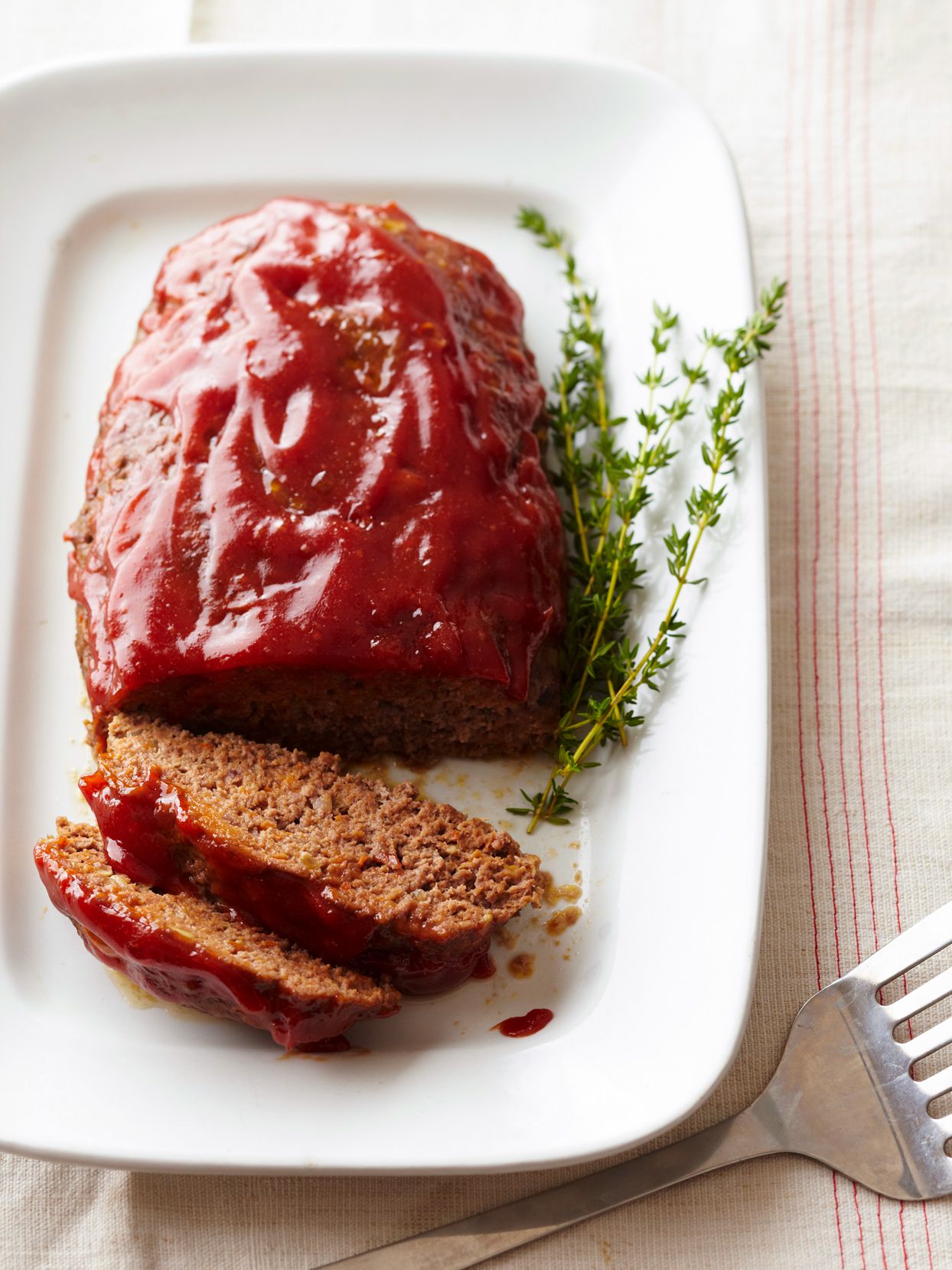
Secrets to a Moist & Flavorful Meatloaf: Essential Cooking Tips
Few dishes evoke the warmth and comfort of home quite like a classic meatloaf. This humble yet hearty dish, with its origins stretching back to ancient Rome, has graced dinner tables for centuries, offering an economical and versatile way to feed families. From its resurgence during the Great Depression as a symbol of resourcefulness to its modern-day adaptations, meatloaf remains a beloved staple. Yet, for all its popularity, many home cooks grapple with a common challenge: achieving a truly moist, tender, and flavorful meatloaf rather than a dry, crumbly, or bland version. Fear not! The secret to a show-stopping meatloaf lies not in complex techniques, but in understanding a few fundamental principles and mastering key ingredients. This comprehensive guide will unlock those secrets, transforming your meatloaf from merely good to absolutely unforgettable.
The Anatomy of a Perfect Meatloaf: Essential Ingredients for Moisture and Flavor
A truly great meatloaf begins with its foundation: the ingredients. Each component plays a vital role, working in harmony to deliver that coveted juicy texture and rich taste. Choosing and preparing them correctly is your first step towards meatloaf perfection.
- The Meat: Your Foundation for Flavor and Fat
The type of ground meat you choose is paramount. While ground beef is traditional, a blend of beef, pork, and veal often yields the most tender and flavorful results. The fat content is critical for moisture. An 80/20 lean-to-fat ratio for ground beef is ideal. The fat renders during cooking, basting the meat from within and preventing dryness. Leaner meats like ground turkey or chicken can be used for healthier options, but they often require extra moisture boosters (like added oil, sautéed vegetables, or more liquid binders) to compensate for the lack of natural fat. - Binders & Moisture Magnets: Beyond Just Holding it Together
Binders do more than just prevent your meatloaf from falling apart; they are crucial for moisture.- Breadcrumbs: Fresh breadcrumbs, soaked in milk or broth, are superior to dry, pre-packaged crumbs. They absorb moisture and then release it back into the meat during cooking, keeping it tender. If using dry crumbs, ensure they are adequately moistened before mixing. Crushed crackers also work well and can add a subtle salty crunch.
- Eggs: Eggs act as both a binder and a tenderizer. Their protein coagulates during baking, helping the meatloaf hold its shape while also adding richness. Don't omit them!
- Aromatics: Finely diced onions, garlic, celery, and bell peppers contribute not only layers of flavor but also moisture. Sautéing them gently before adding them to the mixture is a game-changer. This step softens them, mellows their raw bite, and caramelizes their sugars, intensifying their taste while preventing crunchy bits in your finished loaf.
- Liquid Enhancers: The Secret Sauce for Juiciness
Beyond the binders, direct liquid additions are key. A splash of milk, beef broth, Worcestershire sauce, or even a little ketchup mixed into the meat can dramatically improve moisture. These liquids ensure the meat remains hydrated throughout the baking process. - Seasonings: Building a Flavor Profile
Don't underestimate the power of proper seasoning. Salt and freshly ground black pepper are non-negotiable. Beyond that, consider dried herbs like thyme, oregano, and parsley. A touch of smoked paprika or a dash of nutmeg (as recommended by many connoisseurs) can add surprising depth. Remember to taste your mixture (carefully, by frying a tiny bit) before baking to adjust seasoning.
Mastering the Mix: Technique is Key for Tenderness
Even with the best ingredients, an improper mixing technique can doom your meatloaf to dryness. The goal is to combine everything thoroughly without overworking the meat.
- Gentle Hands, Tender Loaf: Overmixing is the cardinal sin of meatloaf. When ground meat is overworked, the protein strands tighten, resulting in a dense, tough, and dry texture. Use your hands to gently, but thoroughly, combine all the ingredients. Mix just until everything is incorporated, no more. Think of it like making biscuits – light handling is key.
- Even Distribution: While being gentle, ensure all ingredients are evenly distributed. You don't want pockets of unseasoned meat or dry breadcrumbs. The goal is a homogeneous mixture that will cook uniformly.
- Forming the Loaf: Whether you opt for a traditional loaf pan or a free-form loaf on a baking sheet, avoid packing the meat mixture too tightly. A slightly looser form allows for better air circulation and prevents the meatloaf from becoming overly dense. If using a loaf pan, line it with parchment paper for easy removal. For a free-form loaf, shape it into an oval or rectangular log, ensuring even thickness for consistent cooking.
Baking Brilliance: Achieving the Ideal Texture and Finish
The baking process is where all your careful ingredient selection and mixing techniques come to fruition. Precision here is crucial for both safety and deliciousness.
- Temperature and Time: A moderate oven temperature, typically 350°F (175°C), is ideal for baking meatloaf. This allows it to cook through evenly without drying out the exterior too quickly. Baking time will vary depending on the size and thickness of your loaf, but a standard 2-pound meatloaf usually takes about 60-75 minutes. The most accurate way to determine doneness is with a meat thermometer: the internal temperature should reach 160°F (71°C).
- The Resting Period: A Non-Negotiable Step: Once your meatloaf is out of the oven, resist the urge to slice into it immediately. This resting period is arguably the most important step for a moist meatloaf. Cover it loosely with foil and let it rest for at least 10-15 minutes. This allows the juices, which have been forced to the center during cooking, to redistribute throughout the loaf, ensuring every slice is succulent. The internal temperature will also continue to rise slightly, reaching a safe 165°F (74°C).
- Loaf Pan vs. Baking Sheet:
- Loaf Pan: Helps retain moisture by keeping juices contained, and ensures a uniform shape. However, it can sometimes lead to a slightly steamed bottom.
- Baking Sheet (Free-Form): Allows for better browning and a crisper crust all around, and excess fat can drain away. To prevent excessive drying, you might place a pan of water on the lower rack to create a humid environment in the oven.
Some cooks even place a free-form meatloaf on a rack set inside a baking sheet to elevate it, allowing fat to drip away while still getting a good crust.
The Glaze Game: Elevating Flavor and Moisture
The delicious topping on a meatloaf is more than just an aesthetic flourish; it's a critical component for flavor, moisture, and that irresistible caramelized crust.
- Purpose of the Glaze: A good glaze does several things: it adds a burst of tangy or sweet-savory flavor, creates a beautiful, inviting crust, and helps to seal in moisture, further preventing the meatloaf from drying out.
- Classic Glazes: The most iconic meatloaf glaze is ketchup-based. A simple blend of ketchup, brown sugar, a splash of vinegar (apple cider or white), and a dash of Worcestershire sauce creates a perfectly balanced sweet and tangy topping.
- Creative Glazes: Don't limit yourself to tradition! Experiment with BBQ sauce, a rich mushroom gravy, balsamic glaze, or even a spicy sriracha-ketchup mix. For a unique touch, try a honey-mustard glaze.
- When to Apply: Apply the glaze during the last 15-20 minutes of baking. This allows it to caramelize and thicken without burning, giving your meatloaf a beautiful, glossy finish.
Beyond the Basics: Tips for Next-Level Meatloaf
Once you've mastered the fundamentals, you can begin to explore the vast versatility of this classic dish. From healthier alternatives to international inspirations, the world of meatloaf is wonderfully expansive. For a deeper dive into global and modern interpretations, check out Beyond Beef: Exploring Global & Modern Meatloaf Variations.
- Vegetable Boost: Finely grated carrots, zucchini, or mushrooms can be added to the mixture. They contribute additional moisture, nutrients, and subtle flavors without altering the texture too much.
- Stuff It! For an exciting surprise, try stuffing your meatloaf. A core of cheese, hard-boiled eggs, or sautéed spinach and feta can elevate the dish to new culinary heights.
- Mini Meatloaves: For quicker cooking times and built-in portion control, bake your meatloaf in muffin tins. These "mini meatloaf muffins" are also fantastic for kids and perfect for meal prepping. They cook much faster, typically in 20-25 minutes.
- Infuse with Herbs and Spices: Consider fresh herbs like rosemary or sage for a more aromatic profile. A pinch of red pepper flakes can add a subtle kick, while a teaspoon of Dijon mustard can deepen the savory notes.
A moist and flavorful meatloaf is not a myth, but a culinary reality waiting to be achieved in your kitchen. By understanding the role of each ingredient, employing gentle mixing techniques, baking at the right temperature, allowing for a crucial resting period, and crowning your creation with a delectable glaze, you’ll consistently turn out a meatloaf that is tender, juicy, and bursting with flavor. Embrace these essential tips, and get ready to rediscover the true joy of this timeless comfort food. Happy cooking!
