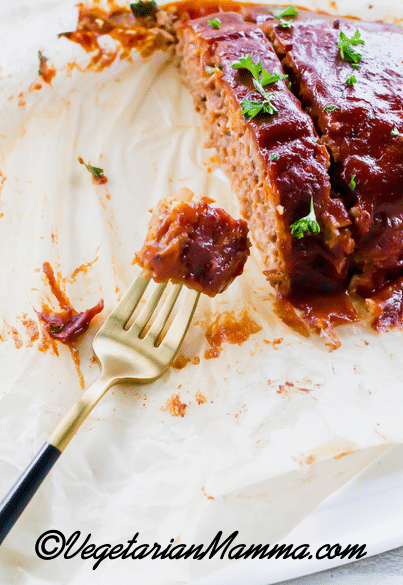
Beyond Beef: Exploring Global & Modern Meatloaf Variations
From its humble origins as a thrifty way to transform ground meat into a satisfying meal,
meatloaf has long been a staple on dinner tables around the world. While often associated with a quintessential American comfort food, topped with a tangy ketchup glaze and served alongside mashed potatoes, the concept of a savory, molded ground meat dish boasts a remarkably rich and diverse history that spans continents and centuries. Today, this adaptable culinary canvas is seeing a resurgence, moving far beyond its traditional beef-centric roots to embrace global flavors, healthier alternatives, and innovative cooking techniques.
The Enduring Appeal of a Classic Loaf
At its core, traditional meatloaf is a testament to culinary ingenuity. It typically consists of ground meat – historically a blend of beef, pork, and veal for optimal flavor and texture – combined with binders like breadcrumbs or crushed crackers, eggs, finely diced onions, and a medley of seasonings. This mixture is then shaped into a loaf and baked until firm, offering a tender, moist interior with a desirable crusty, caramelized exterior. Its economical nature, utilizing less expensive cuts of meat and stretching ingredients to feed many, cemented its status as a versatile staple in home cooking.
The roots of this beloved dish are surprisingly ancient, tracing back to 1st-century AD Rome, where early recipes in the cookbook *De Re Coquinaria* described similar preparations of minced meat with soaked bread, wine, spices, and nuts. European variations, such as the elegant French *pâté en terrine*, further refined the concept of a molded meat dish. In the United States, meatloaf gained widespread popularity in the late 19th century with the advent of affordable meat grinders, simplifying its preparation. Its iconic status as an American comfort food truly bloomed during the Great Depression and World War II, when meat rationing made budget-friendly, protein-stretching meals essential. This era solidified the image of meatloaf as a symbol of resourcefulness and heartwarming family dining.
Global Delights: Meatloaf's International Passport
While the term "meatloaf" might conjure a specific image for many, similar dishes made from comminuted (ground) meat exist in countless cultures, each offering a unique spin on flavor and texture. These global interpretations demonstrate the universal appeal of a hearty, adaptable meat dish:
- Japanese Hambagu (Hamburg Steak): A popular dish in Japan, *hambagu* is essentially a thick, juicy, burger-like meatloaf patty, often made from ground beef and pork, mixed with panko breadcrumbs, eggs, and sautéed onions. It's typically pan-fried then finished in the oven, often served with a rich demi-glace sauce, fried egg, and steamed rice, showcasing a distinct umami profile.
- Danish Hakkebøf: While more of a patty than a loaf, the Danish *hakkebøf* shares common ground with meatloaf. It's a seasoned ground beef patty, traditionally served with soft caramelized onions, boiled potatoes, and a rich brown gravy. The emphasis here is on the robust beef flavor complemented by sweet onions and a comforting sauce.
- Swedish Wallenbergare: A more refined take, *Wallenbergare* is a luxurious veal meatloaf patty made from finely ground veal, cream, and egg yolks, pan-fried to a delicate golden brown. It’s known for its incredibly tender texture and is often served with lingonberry jam and mashed potatoes, highlighting Swedish culinary elegance.
- German Frikadellen: These German pan-fried meat patties, often a mix of ground beef and pork, breadcrumbs, egg, onion, and spices, are akin to large, flattened meatballs. They share the same principles of binders and seasonings to create a moist, flavorful ground meat dish, often served cold as a snack or hot with potatoes and gravy.
- Middle Eastern Kofta: While frequently shaped into skewers or small balls, many *kofta* recipes, particularly in regions like Turkey or the Levant, can also be baked in a tray, forming a larger, cohesive loaf that is then sliced. These are typically seasoned with vibrant spices like cumin, coriander, mint, and parsley, offering a completely different aromatic experience.
These examples illustrate that the essence of meatloaf – taking ground meat and transforming it into a cohesive, flavorful centerpiece – is a truly international phenomenon, ready for exploration and adaptation in any kitchen.
Modern Twists: Healthier, Sustainable, and Innovative
The contemporary kitchen is seeing a vibrant evolution of meatloaf, driven by a desire for healthier options, sustainable choices, and bolder flavor profiles. This shift moves "beyond beef" to embrace a wider array of ingredients and culinary creativity.
- Leaner Proteins: Turkey and chicken meatloaf have become incredibly popular alternatives. Ground turkey, especially a mix of dark and white meat, can yield a surprisingly moist and flavorful loaf, often enhanced with ingredients like crumbled feta, spinach, or sun-dried tomatoes. Ground chicken, though leaner, can be kept moist with added vegetables, a touch of cream, or even some grated zucchini.
- Plant-Based Innovations: The rise of plant-based eating has led to ingenious meatloaf alternatives made from lentils, mushrooms, chickpeas, or a combination of grains and vegetables. With the increasing quality of commercially available plant-based ground "meat" products, it's now easier than ever to create a convincing, savory, and satisfying vegan or vegetarian meatloaf that appeals to omnivores and plant-eaters alike. These often incorporate umami-rich ingredients like soy sauce, nutritional yeast, or mushroom powder to deepen their flavor.
- Creative Binders and Fillings: Beyond traditional breadcrumbs, cooks are experimenting with gluten-free options like oats, crushed gluten-free crackers, or even cooked quinoa. Internal fillings can range from finely diced roasted vegetables (carrots, bell peppers, celery) to cheeses (cheddar, mozzarella, smoked gouda), providing extra moisture, texture, and bursts of flavor.
- Exciting Glazes and Sauces: While a classic ketchup glaze remains beloved, modern meatloaf offers a playground for sauces. Think smoky barbecue glazes, tangy balsamic reductions, spicy sriracha-infused toppings, savory mushroom gravies, or even a sweet and sour pineapple glaze. One secret to a truly moist and flavorful meatloaf, as many home cooks will attest, lies in a carefully crafted sauce that bakes directly onto the loaf, caramelizing into a delectable crust. A touch of nutmeg, as some recipes suggest, can also add an unexpected layer of warmth and depth to a classic meatloaf sauce.
Crafting Your Own Signature Loaf: Tips for Perfection
Creating a truly exceptional meatloaf, whether classic or contemporary, involves understanding a few fundamental principles that guarantee a moist, flavorful, and perfectly textured result. For those eager to elevate their meatloaf game, here are some
essential cooking tips:
- Choose Your Meat Wisely: For traditional meatloaf, a blend of ground beef (80/20 fat ratio is ideal), pork, and veal offers the best balance of flavor and moisture. For leaner options like turkey, consider a mix of dark and white meat or add a bit of fat (like rendered bacon or a splash of olive oil) to prevent dryness.
- Don't Skimp on Aromatics: Sautéing onions, garlic, and bell peppers before adding them to the meat mixture not only softens them but also deepens their flavor, preventing raw, pungent notes in the finished loaf.
- Binders and Moisture are Key: Eggs are crucial for binding, while breadcrumbs (or alternatives like oats, crackers, or even finely grated zucchini) absorb moisture and keep the loaf tender. Don't forget a liquid component like milk, broth, or even a splash of Worcestershire sauce to ensure moistness. The goal is a mixture that holds its shape but isn't overly dense.
- Season Generously and Taste: Beyond salt and pepper, incorporate fresh herbs (parsley, thyme, sage), spices (paprika, garlic powder, a hint of nutmeg), and umami-rich ingredients like Worcestershire sauce, Dijon mustard, or even a little soy sauce. If possible and safe, cook a tiny piece of the mixture to taste and adjust seasonings before baking the whole loaf.
- Handle Gently: Overmixing the meat can lead to a tough, dense meatloaf. Use your hands to combine ingredients just until they are incorporated.
- Form it Right: Whether in a loaf pan or free-form on a baking sheet, ensure the loaf is uniformly shaped for even cooking. For faster cooking and individual portions, consider baking mini meatloaf muffins in a muffin tin – they're also fun for kids!
- Glaze for Glory: Apply your chosen glaze for the last 15-20 minutes of baking. This allows it to caramelize and form a delicious crust without burning.
- Rest Before Slicing: Just like a roast, allowing your meatloaf to rest for 10-15 minutes after it comes out of the oven allows the juices to redistribute, resulting in a more tender and moist slice.
From ancient Roman feasts to modern plant-based innovations, meatloaf has proven its remarkable adaptability and enduring appeal. It stands as a testament to creative home cooking, offering endless possibilities for customization and flavor exploration. So, whether you stick to a classic recipe or venture into global and contemporary variations, this versatile dish continues to provide comfort, sustenance, and a delicious canvas for culinary expression.